
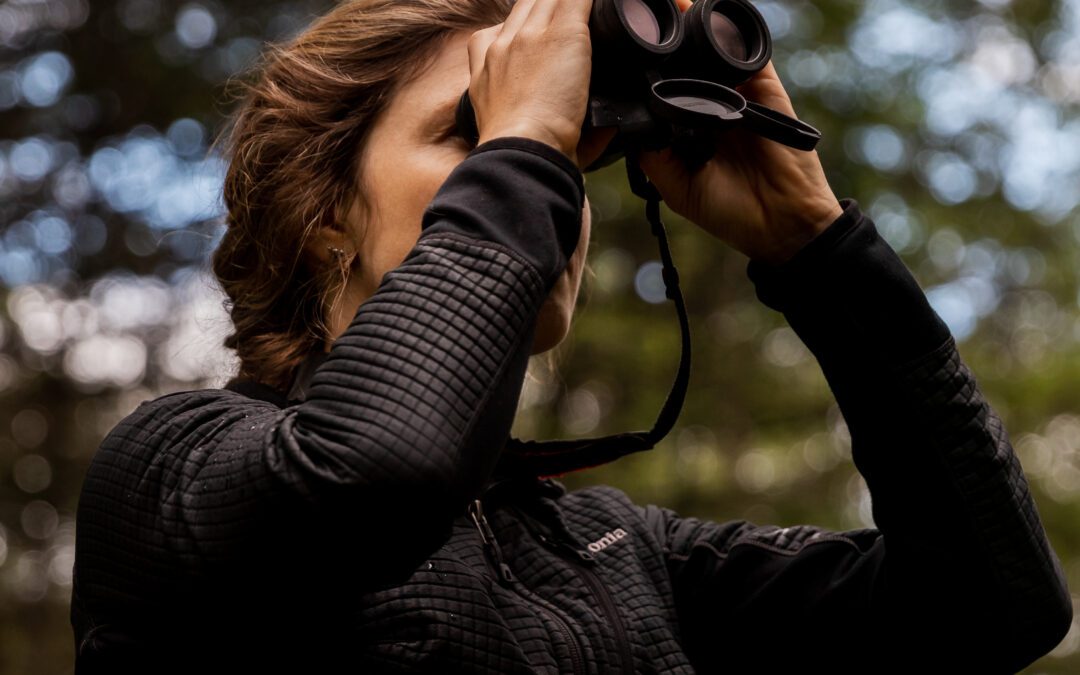
Across forested, wetland, and coastal landscapes, I’ve spent time learning what fieldwork actually looks like on the ground. It’s not always glamorous.
There’s bushwhacking through thickets under a blazing July sun after rattling up an unmaintained dirt road with no air-conditioning, getting drenched in torrential rain or filling threadbare waders with cold wetland water, or collecting DNA samples from sockeye salmon in a slurry of ice, fish slime, and blood. And then there are the mosquitoes, ticks, wasps, and the occasional bear in remote places.
But despite the conditions, tracking snakes, toads, and bats, surveying for tadpoles, and observing woodpeckers has its rewards. Fieldwork has given me a deeper understanding of the natural world and a stronger sense of how these moments translate into environmental storytelling.
Every scratch, sting, every bird song and mammal scat, and every tear and laugh adds detail that can ground a story in place and experience and help connect readers more closely to the landscapes being reported on.